
Plaza de las Tendillas
Written by official guides
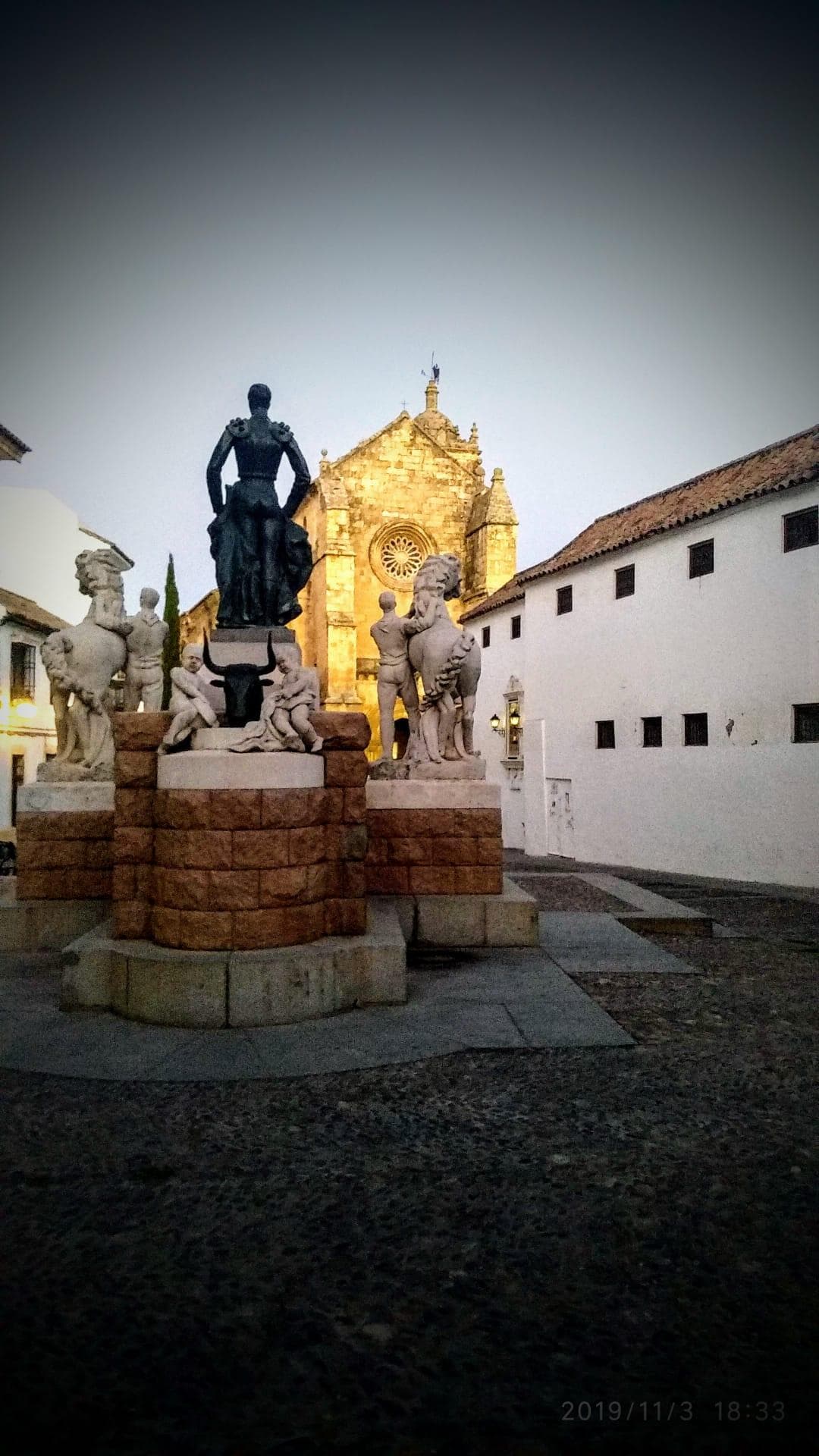
Plaza de las Tendillas is the most central square in Córdoba, at the junction of Cruz Conde, Claudio Marcelo and Gondomar streets, on the site of the city's ancient Roman forum. It is, together with the Mosque-Cathedral, the most recognisable image of Córdoba and the usual reference point for giving directions or meeting someone in the centre.
This article covers its history, what to see there and how to get there on foot, by bus or by car.
History of Plaza de las Tendillas
The name of the square comes from the small shops, or tendillas, that the Order of Calatrava had in the area from the 14th century, known as the Tendillas de Calatrava.
The current layout of the square dates from the 1920s. The City Council bought the land of the Hotel Suizo, a 2,000-square-metre building with 75 rooms owned by the Swiss Puzzini brothers, for 565,000 pesetas in 1919, and demolished it in 1923. On 24 July 1925 mayor José Cruz Conde presented the project for the new square, by the architect Félix Hernández, and between 1926 and 1928 most of the buildings that surround it today were erected, among them La Unión y el Fénix, by Benjamín Gutiérrez Prieto, and the Casa Enríquez Barrios, by the architect Aníbal González.
In the centre of the square the statue of the Gran Capitán was installed in 1927, a work by the sculptor Mateo Inurria from 1923, a move that at the time met with some local opposition.
In the late 1990s the square underwent its last major transformation, with an almost total pedestrianisation project directed by Gerardo Olivares and a budget of 260 million pesetas, 200 million of which were contributed by CajaSur. The new square was inaugurated on 13 May 1999, with mayor Rafael Merino. In 2018 the repair works on the fountain were also completed.
What to see in Plaza de las Tendillas
The square is above all a place to stroll and sit at a terrace, but it has two elements that set it apart from any other square in Córdoba.
1. The soleares clock
The clock on the corner with Calle Gondomar is, in fact, the second the square has had: the first worked between 1929 and the mid-1940s. The current one was inaugurated on 29 January 1961 and its mechanism was replaced in 1988 by an automated satellite-linked system. Its peculiarity is that it does not chime: it marks the quarters and the hours with the sound of a guitar, built by the guitar maker Manuel Reyes Maldonado and recorded by the guitarist Juan Serrano to the rhythm of soleares. Every New Year's Eve, hundreds of Cordobans gather in the square to eat the twelve grapes to the beat of this flamenco clock.
2. The statue of the Gran Capitán
The sculpture of Gonzalo Fernández de Córdoba, the Gran Capitán, is by Mateo Inurria and has presided over the square since 1927.
3. The 1920s buildings
The buildings surrounding the square, built between 1926 and 1928, give it its characteristic look: La Unión y el Fénix and the Casa Enríquez Barrios, by the architect Aníbal González, stand out.
Opening hours of Plaza de las Tendillas
The square is a public, pedestrian space, with no opening hours or ticket: it can be visited at any time of day.
How to get to Plaza de las Tendillas
On foot, the square is less than ten minutes from the Mosque-Cathedral up Calle Claudio Marcelo, and is the natural starting point for any walk around the centre of Córdoba.
By bus, Aucorsa lines 1, 12 and C2 stop directly in the square.
The square is pedestrianised, so you cannot park in it: the nearest car parks are on Avenida de la Libertad and Ronda de los Tejares, next to El Corte Inglés.
Plaza de las Tendillas is also the usual meeting point for walking free tours in Córdoba, because of its central location and because it is easy to find for anyone arriving in the city for the first time.
Because of its central position, Plaza de las Tendillas is a good starting or finishing point for any route around Córdoba, with the Jewish Quarter and the Mosque on one side and the Gran Capitán shopping area on the other. Its terraces fill up above all mid-morning and at dusk.
Book your guided tour
Want to discover it with an official guide who explains it to you in person?