
Patios Festival of Córdoba
4 min read
Written by official guides
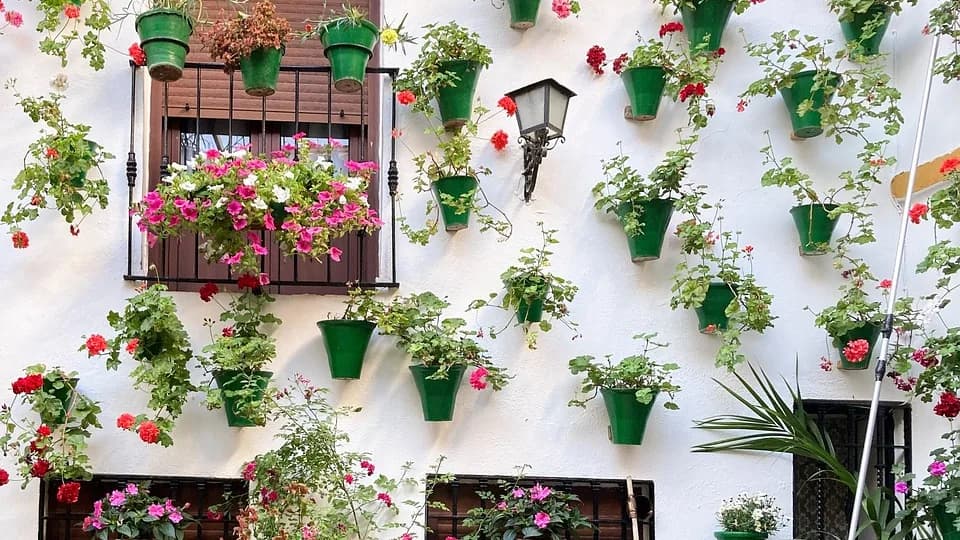
The Patios Festival of Córdoba is the municipal competition that every May opens to the public the courtyard houses of the historic centre, decorated with flowers, flowerpots and traditional elements. It has been declared Intangible Cultural Heritage of Humanity by UNESCO since 2012 and recognised as a Festival of National Tourist Interest, and each edition brings together dozens of patios spread across five routes in the city centre.
This article covers the origin of the competition, which routes and patios to see, when it is held and how to visit it avoiding the busiest hours.
History of the Patios Festival of Córdoba
The Cordoban patio has its roots in Roman and, later, Muslim domestic architecture: homes were organised around a central space with fountains and plants to cope with the heat and dryness of summer. The patio works as the lung of the house and the centre of family life.
The municipal competition began in 1921, organised by the City Council, and has been held without interruption every May since then. Residents decorate their patios, some of traditional architecture predating the 1960s and others more recently built or renovated, and compete for the prizes of the municipal jury.
In 2012 UNESCO inscribed the festival on the Representative List of the Intangible Cultural Heritage of Humanity, recognising the patio as a space of sustainable community coexistence, with traditional music and flamenco guitar, sustained by the selfless cooperation of residents of all ages.
What to see at the Patios Festival of Córdoba
1. The San Basilio route, in Alcázar Viejo
It is the neighbourhood with the highest concentration of competing patios and, in the 2026 edition, it was the most visited route, with 237,650 visits.
2. The San Lorenzo and San Pedro-Santiago routes
Two central areas with patios of traditional architecture. In 2026 they totalled 170,592 and 176,769 visits respectively, according to the official closing figures of the edition.
3. The Judería-San Francisco route
The closest to the Mosque-Cathedral, easy to combine with a visit to the monument. It recorded 160,055 visits in 2026.
4. The Carbonell Route, in Santa Marina-San Agustín
The least crowded of the five official routes, with 111,684 visits in 2026, and therefore a good option for those who want to see the patios at a calmer pace.
5. The monumental patios outside the competition
The Palacio de Viana, with twelve patios, can be visited all year round although it does not compete in the festival, and complements any tour of the competing patios.
When the Patios Festival of Córdoba is held
The festival is traditionally held during the first fortnight of May. The usual visiting hours are 11:00 to 14:00 and 18:00 to 22:00, with free entry to all competing patios.
In 2026 it was held from 4 to 17 May, with 53 patios in competition and eleven additional patios open outside the competition. It closed with 956,288 accumulated visits over the two weeks, the second-highest figure in its history, only behind the record of 2025. The dates of the 2027 edition had not been published on patios.cordoba.es at the time of writing; it is worth checking the official website from January, when the calendar and the list of participating patios are usually confirmed.
Tips for visiting the Patios Festival of Córdoba
As the San Basilio (Alcázar Viejo) route draws the most visitors, anyone looking for a quieter experience can opt for the Carbonell Route or San Lorenzo, with fewer visitors according to the figures of the last completed edition.
The busiest day recorded in 2026 was a Saturday, with 95,535 visits in a single day. It is best to avoid weekends if you prefer to visit without crowds, or to come first thing in the morning, right as they open.
The patios are private homes temporarily open to the public, so it is important to respect the space and follow the instructions of the residents who maintain and open them.
It is a completely free festival, sustained by the direct involvement of the residents who care for their patios all year round. It coincides in the calendar with the May Crosses, held a few days earlier, and the spring cycle is closed by the Córdoba Fair at the end of the month.
Book your guided tour
Want to discover it with an official guide who explains it to you in person?