
Axerquía
3 min read
Written by official guides
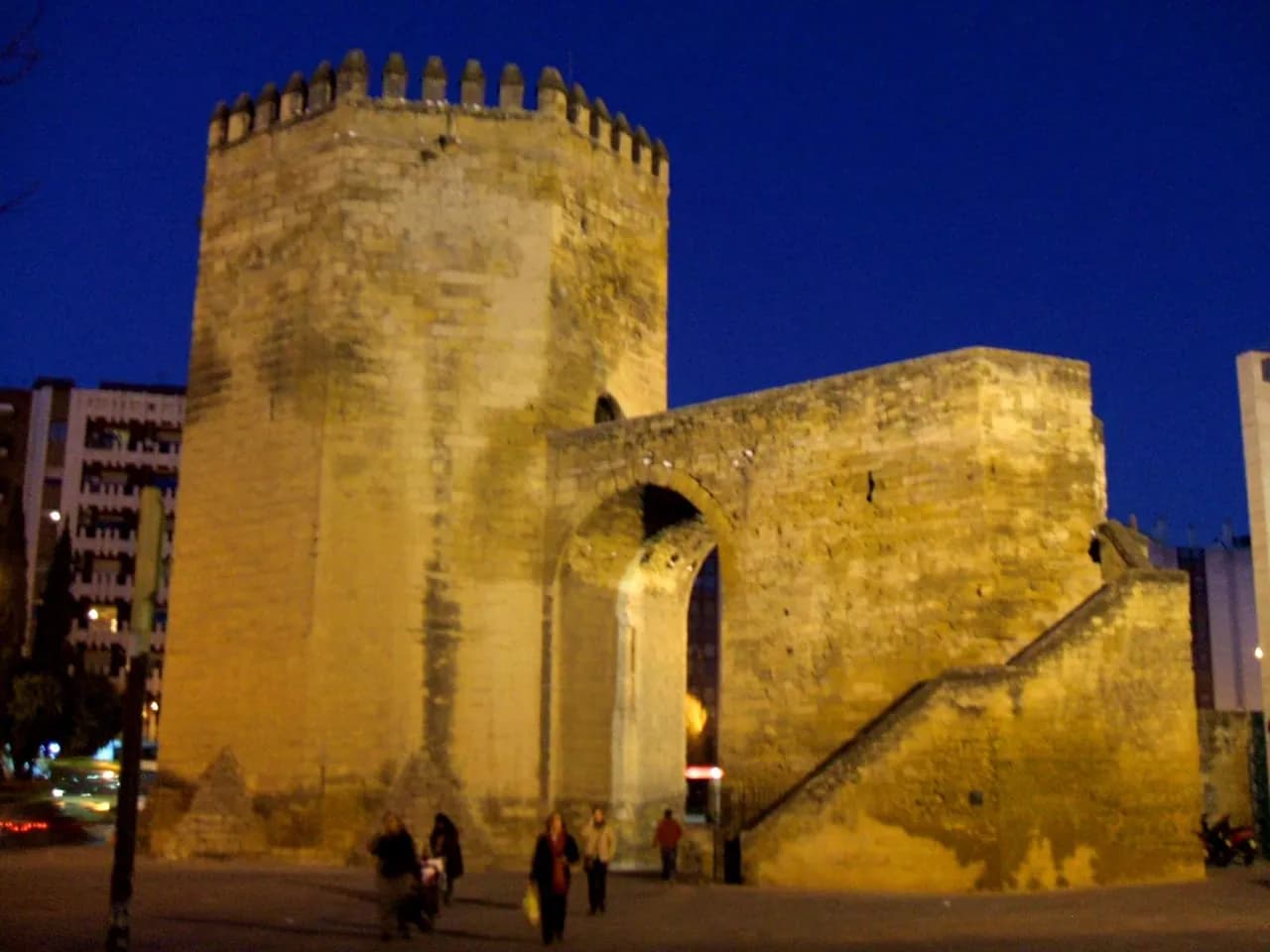
The Axerquía is the eastern half of Córdoba's historic centre, the suburb that in Andalusi Arabic was called Al-Sharqiyya, meaning 'the east', and which came to exceed in area the walled Muslim medina itself on the other side of the old town. It stretches, broadly speaking, between the Mosque-Cathedral and Ronda de los Tejares, as far as the Malmuerta Tower, and today encompasses neighbourhoods such as Santiago, San Pedro, Santa Marina, San Lorenzo and San Andrés-San Pablo.
Compared with the Villa, with its narrow, winding streets inherited from the medina's town planning, the Axerquía keeps a more open layout, with the largest squares in the city and the greatest concentration of Fernandine churches in the whole historic centre. Unlike San Basilio or Santa Marina, it is not a single administrative neighbourhood, but the historic name of the whole 'lower town' that Córdoba developed east of the mosque.
History of the Axerquía
The area was already inhabited in Roman times, as shown by the remains found beneath today's Plaza de la Corredera, but intensive settlement did not begin until the 9th century, during the Emirate of Córdoba. By the mid-10th century six suburbs were already documented: Sabular, Furn Burril, al-Bury, Munyat Abd Allah, rabad al-Zahira and Munyat al-Mugira, with well-to-do homes, large gardens and low population density.
Its own wall, reinforced by towers such as today's Malmuerta Tower, protected the suburb, which allowed it to escape the Berber sackings of the 11th century that other parts of the city did suffer. After the conquest by Ferdinand III, in 1236, the Axerquía was organised into seven parishes, most built on former neighbourhood mosques that gave rise to the so-called Fernandine churches.
That fabric of houses with a central courtyard, heir to the Andalusi tradition, is still alive today: in 2019 the PAX association succeeded in getting the World Monuments Fund to include the courtyard houses of the Axerquía on its biennial World Monuments Watch 2020 list, the only Spanish candidate selected in that edition, for combining historical value and social impact in the face of decay and touristification.
What to see in the Axerquía
The Axerquía is too large to see in a single walk; these are its clearest reference points.
1. Plaza de la Corredera
With 5,525 square metres, it is the only quadrangular main square in all Andalusia and the most representative space of the Axerquía. Its regular plan, arcades and balconies recall the Castilian main squares, although it was built on a former neighbourhood of Roman origin.
2. Plaza del Potro
It owes its name to the Renaissance fountain of 1577, topped a century later with the figure of the colt that crowns it today. Cervantes mentioned it in Don Quixote through the Posada del Potro, and today the square is home to the Museum of Fine Arts and the Julio Romero de Torres Museum.
3. Malmuerta Tower
Built between 1406 and 1408 by order of Henry III of Castile on an earlier Almohad structure, it defended the Rincón and Colodro gates. The legend that gives the tower its name tells that a woman unjustly murdered by her husband after a false accusation of adultery was buried there.
4. The courtyard houses of the Axerquía
Beyond San Basilio, much of the district keeps the model of housing organised around a central courtyard, the formula that in 2020 the World Monuments Fund highlighted internationally for its value as living, not merely monumental, heritage.
How to get to the Axerquía
Plaza de la Corredera is about ten minutes' walk from the Mosque-Cathedral. By city bus, Aucorsa's circular line C2 connects Tendillas with Plaza de la Corredera and the Church of Santa Marina, crossing much of the historic suburb.
Given its size, the Axerquía is best explored in several visits combining its squares with the neighbourhoods that make it up: Santiago, Santa Marina or San Lorenzo. Spring and autumn are the most comfortable seasons for walking its streets, especially in May, when the Cruces and the Patios coincide with the terraces of La Corredera packed to overflowing.
Book your guided tour
Want to discover it with an official guide who explains it to you in person?