Synagogue of Córdoba, a medieval synagogue from 1315 in the Jewish Quarter
Written by official guides
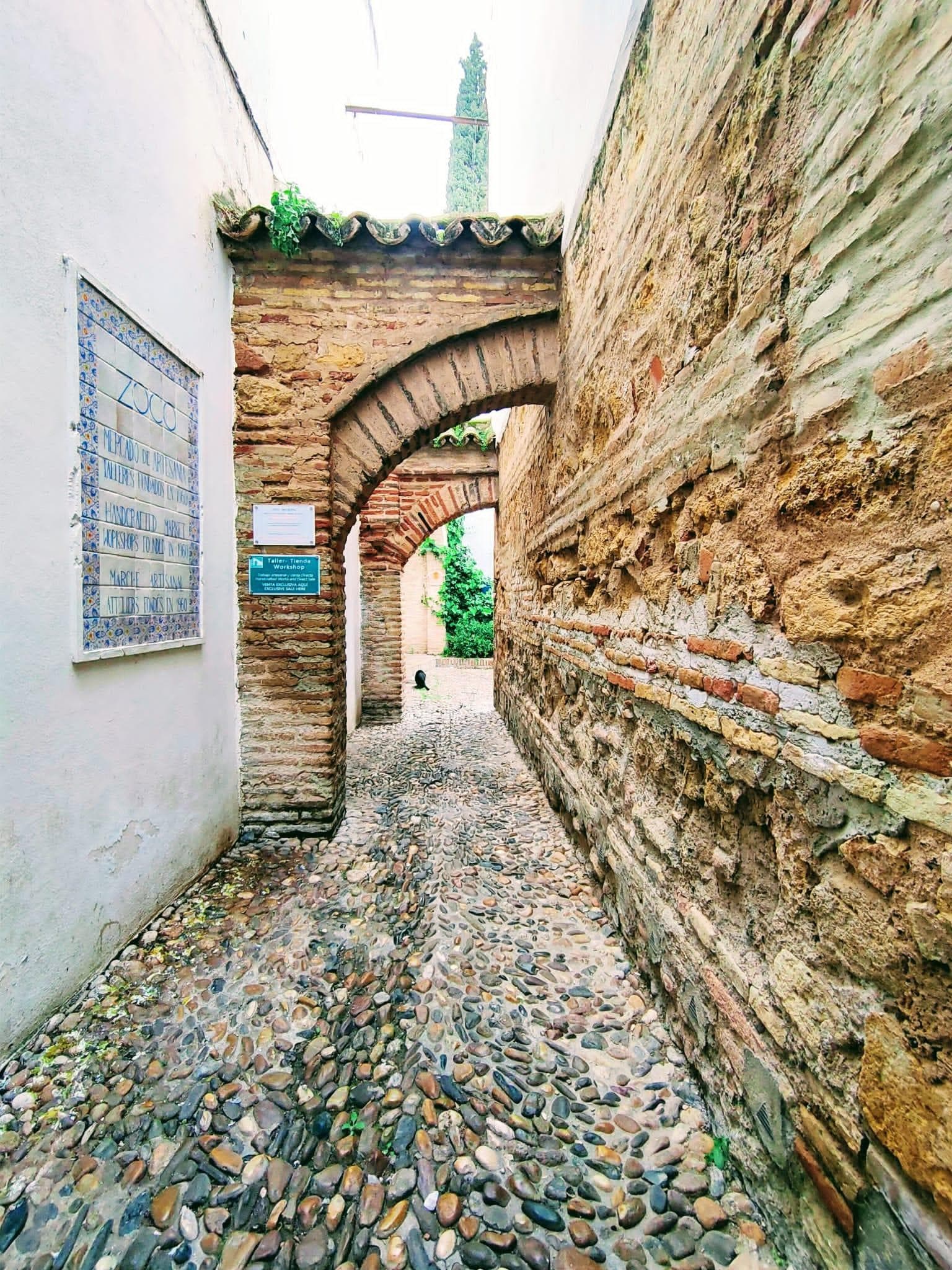
The Synagogue of Córdoba is at Calle Judíos, number 20, next to Plaza Tiberíades, home to the sculpture dedicated to Maimonides. The building is dated to 1315 thanks to the founding inscription found on the east wall of the prayer hall, which faces Jerusalem.
Today the Synagogue of Córdoba is one of the three synagogues of medieval origin officially preserved in Spain. The other two are in Toledo: the Synagogue of Santa María la Blanca and the Synagogue of El Tránsito, now the Sephardic Museum.
The history of the Synagogue of Córdoba, declared a National Monument
The Synagogue of Córdoba stands in the western sector of the city's historic centre, protected as a World Heritage Site since 1994. It is an example of Mudejar architecture, with aesthetic influence from the Nasrid kingdom of Granada, and is considered the only surviving example of Hebrew religious architecture in Córdoba.
It is not known how many synagogues Córdoba had in the past, but the one preserved next to Plaza Tiberíades was not the only one. The construction date appears in the founding inscription on the eastern wall, which gives the year 1315, corresponding to the year 5075 of the Jewish calendar.
In 1884, when part of the plaster came away from the walls, the old plasterwork that decorated them was revealed. In 1885 it was declared a National Monument, beginning its restoration.
After the expulsion of the Jews in 1492, the building changed use. It became the Hermitage of Santa Quiteria. In 1536 a brotherhood was installed and in 1558 it passed to the shoemakers' guild, which used the space until the 17th century.
What to see in the Synagogue of Córdoba: the 1315 founding inscription and the women's gallery
Visitors find a key monument for understanding the history of Sepharad. Today the Synagogue of Córdoba is one of the three synagogues of medieval origin officially preserved in Spain. The other two are in Toledo: the Synagogue of Santa María la Blanca and the Synagogue of El Tránsito, now converted into the Sephardic Museum.
One of the most significant elements still preserved is the founding inscription. It was found in 1884 on the east wall of the prayer hall, facing Jerusalem. Its translation reveals the construction date of the building: 1315.
The main prayer hall has ornamentation of carved plasterwork, interlacing with stars of different points and plant motifs. There is also Hebrew epigraphy, mainly taken from the Book of Psalms. In its day the plaster decoration was polychrome.
To the right of the vestibule, a staircase leads to the upper floor, where the women's gallery is located, from which women followed the services separately from the men. This upper gallery connects with the prayer hall through three small balconies, framed by partially preserved Hebrew inscriptions.
Founding inscription
Prayer hall
Plasterwork
Hebrew epigraphy
Women's gallery
Synagogue of Córdoba opening hours, open Tuesday to Sunday
The Synagogue opens Tuesday to Sunday, from 9:00 to 15:00. It is closed on Mondays, except on public holidays or the eve of a public holiday, when it opens from 9:00 to 15:00. The last entry is 10 minutes before closing time.
Public holidays when it opens: 28 February, 17 and 18 April, 15 August, 8 September, 13 and 24 October, 1 November, 6 and 8 December.
Public holidays when it closes: 1 and 6 January, 1 May, 24, 25 and 31 December.
Synagogue of Córdoba tickets: free entry and advance booking for groups
Entry to the Synagogue of Córdoba is free, so you do not need to buy a ticket in advance if you go on your own.
If you go as a group of more than 6 people, advance booking is required. You can arrange it there, at the monument's entrance area, or through the booking platform set up by the Regional Ministry of Culture and Sport.
The Synagogue is in an area with restricted traffic, but it is easy to reach on foot as it is in a well-known neighbourhood of the historic centre of Córdoba.
Curiosities of the Synagogue of Córdoba
A few metres from the Synagogue, in Plaza Tiberíades, stands the sculpture dedicated to the Córdoba-born Jewish scholar Maimonides. From there, on Calle Judíos, the Synagogue is identified by the building's sober façade and by the sign marking the entrance to the monument.
One of the details that helps place the building is the orientation of the east wall of the prayer hall towards Jerusalem. On that same wall the founding inscription was found in 1884, key to knowing the construction date of the building, given as 1315.
The Synagogue also went through changes of use over time. After the expulsion of the Jews in 1492, the building became the Hermitage of Santa Quiteria. Later, in 1536 a brotherhood was installed and in 1558 it passed to the shoemakers' guild, which used the space until the 17th century.
Guided visit to the Synagogue of Córdoba
If you want to get to know it with more context, the best way is to book a guided tour of the Jewish Quarter of Córdoba with an official guide.
Book your guided tour
Want to discover it with an official guide who explains it to you in person?