
Royal Collegiate Church of San Hipólito
3 min read
Written by official guides
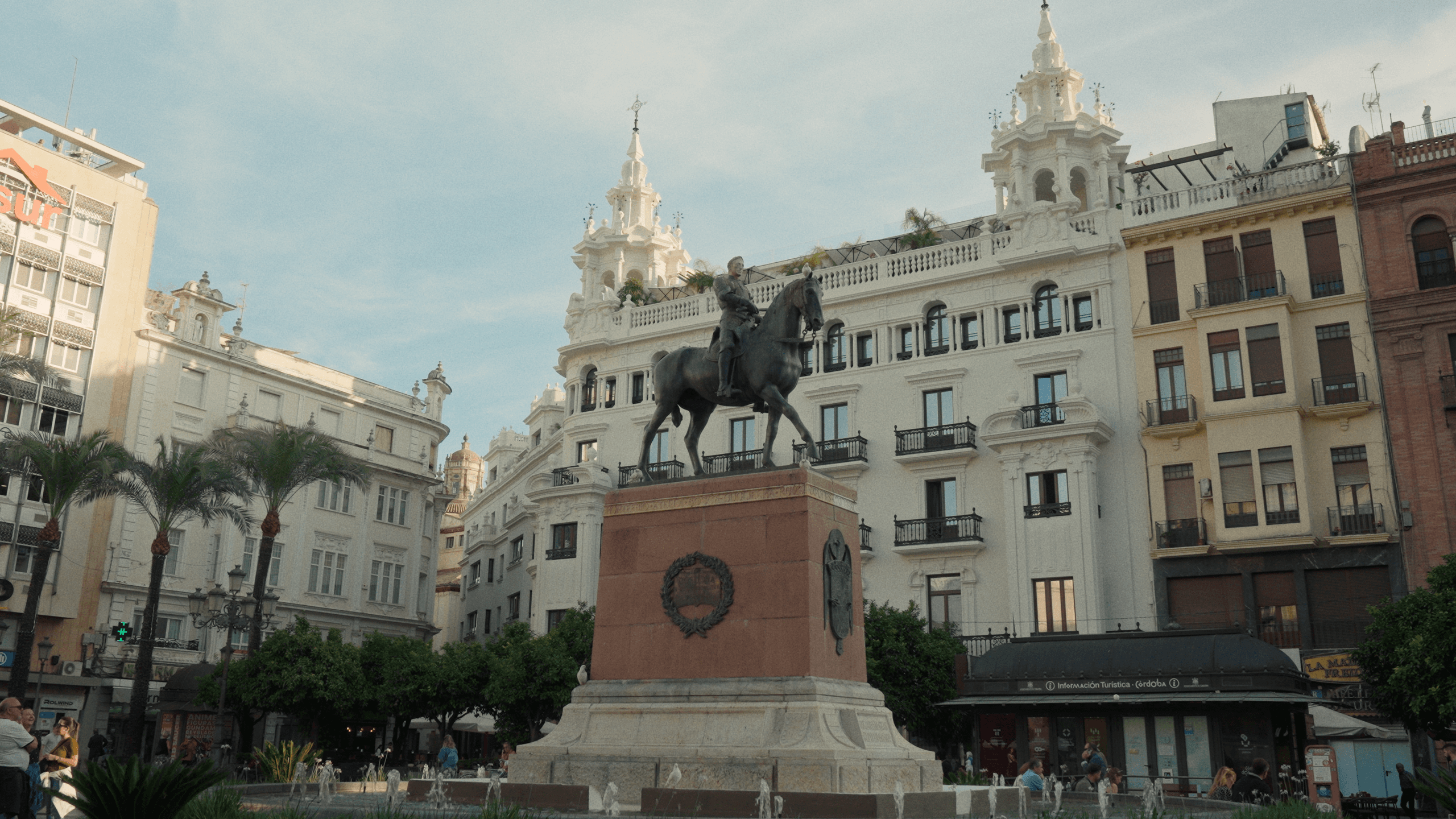
The Royal Collegiate Church of San Hipólito is a Catholic church in central Córdoba that serves as a royal pantheon: the remains of Kings Ferdinand IV and Alfonso XI rest in its presbytery. It is on the Bulevar del Gran Capitán, next to Plaza de San Ignacio de Loyola, outside the Jewish Quarter but a short distance from the historic centre.
This article covers the history of the collegiate church, what to see inside, the visiting hours and how to get there.
History of the Royal Collegiate Church of San Hipólito
Alfonso XI founded the collegiate church in 1343 in thanksgiving for his victory at the Battle of Río Salado in 1340, intending to make it a royal pantheon for himself and for his father, Ferdinand IV, until then buried in Córdoba Cathedral. Pope Clement VI raised the church to collegiate status in 1347.
The Gothic chancel was built in the mid-14th century, during the reigns of Alfonso XI and Peter I, and the works were then halted for almost four centuries. They resumed in 1729, authorised by Philip V, and were completed in 1736 in Baroque style. The façade, from 1730, includes the first doorway in Córdoba built with the estípite order, typical of the 18th century, with an image of Saint Hippolytus in its central niche.
A bull of Pope Benedict XIII moved the Royal Chapel from the Cathedral to this collegiate church in 1728, and the remains of Ferdinand IV and Alfonso XI were physically moved on 8 August 1736, in red marble urns placed in the presbytery beneath ceremonial crowns and sceptres. The church organ, built by Joseph Corbacho in 1735, is considered one of the finest in Andalusia. Since the 19th century the collegiate church has belonged to the Society of Jesus, which keeps it today as an active parish.
What to see in the Royal Collegiate Church of San Hipólito
The interior combines the original Gothic chancel with the 18th-century Baroque nave. These are its highlights:
1. The tombs of Ferdinand IV and Alfonso XI
In the presbytery, two red marble urns beneath arcosolia hold the remains of Kings Ferdinand IV and Alfonso XI, moved here on 8 August 1736, with ceremonial crowns and sceptres on the tombs.
2. The Gothic chancel
It is the oldest part of the church, built in the mid-14th century with ribbed vaults, before the works were halted for almost four centuries.
3. The Baroque façade
Completed in 1730, it is the first doorway in Córdoba built with the estípite order, typical of the 18th century, and features an image of Saint Hippolytus in its central niche.
4. The Joseph Corbacho organ
Built in 1735, it is considered one of the finest Baroque organs in Andalusia.
Royal Collegiate Church of San Hipólito opening hours and prices
The collegiate church can be visited Monday to Saturday, from 11:00 to 19:30. On Sundays and public holidays it opens at 10:00, with masses at 11:00, 12:00 and 19:30.
How to get to the Royal Collegiate Church of San Hipólito
The Royal Collegiate Church of San Hipólito is on the Bulevar del Gran Capitán, next to Plaza de San Ignacio de Loyola, in central Córdoba. It lies outside the Jewish Quarter, a short walk from the Gran Capitán shopping axis and Avenida de América.
Unlike Casa de Sefarad and the Zoco Municipal, the collegiate church lies outside the Jewish Quarter, on the Gran Capitán axis, so it combines well with a stroll around that shopping area or with the trip to the train or bus station, both closer to this monument than to the rest of the Jewish Quarter.
Book your guided tour
Want to discover it with an official guide who explains it to you in person?